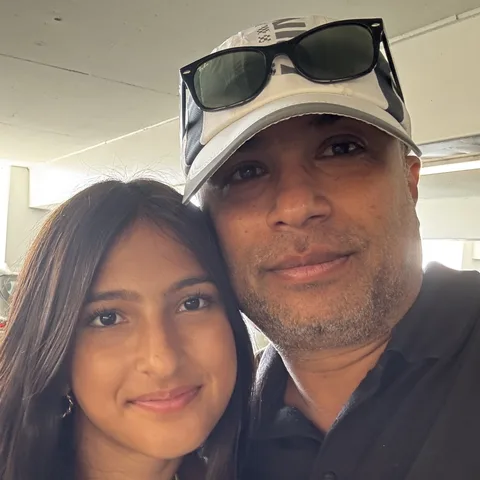
I've spent most of my career building technology, companies, and products, and occasionally taking them apart to understand why they work.
I co-founded Nvision Technologies in 1998, and later co-founded Cask Data, where we built infrastructure for large-scale data applications. Cask was acquired by Google in 2018, and I went on to work inside Google Cloud. I've also led product organizations, including as VP of Product at DataRobot.
I've lived through a few technology transitions now: the internet, distributed systems, big data, cloud, machine learning, and AI.
AI feels different.
Not because the models are impressive, although they are, but because, for the first time, reasoning itself is becoming programmable and inexpensive. That changes far more than software. It changes how products are built, how companies operate, how decisions get made, and eventually how organizations are designed.
That's what I'm trying to understand.
Niranta Is My Laboratory
I spend an unreasonable amount of time building with AI.
I test models, agents, coding systems, memory architectures, multi-agent workflows, generative interfaces, and whatever else catches my attention. Sometimes I build something useful. Sometimes I discover why an idea doesn't work. Both are worth writing about.
Niranta is where I document those experiments and think in public. You'll find technical explorations here, but also essays about economics, organizations, product design, philosophy, and occasionally whatever rabbit hole I've disappeared into that week.
I write to think. It is one of the places I find peace. I do not write to communicate ideas I already have. I write to discover what I actually believe. Some essays are polished arguments, some are half-formed questions, and I am comfortable with both.
I don't write as an analyst observing AI from the sidelines. I build things to figure out what I believe.
What I'm Interested In Now
One question increasingly consumes me:
What happens when companies stop adding AI to existing workflows and start redesigning the workflows themselves?
Most enterprises don't have an AI-model problem anymore. They have a deployment problem. The interesting questions are becoming:
- Which work should AI actually do?
- Where should humans remain in the loop?
- How does organizational knowledge become usable by AI?
- How do agents learn from what happened before?
- How do you know whether an AI system actually improved the business?
- What would you build differently if you were starting the company today?
These are the problems I'm experimenting with now.
Working With Companies
I also work hands-on with a small number of founders and executive teams exploring these questions inside their own companies.
This isn't traditional AI strategy consulting. We usually start with an important business workflow, understand how it operates today, identify where AI can fundamentally change it, build the system, put it into the real environment, and measure what happens.
The goal isn't more AI. It's a better business because AI exists.
If you're a founder, CEO, CPO, CTO, CRO, or investor thinking seriously about what AI changes inside your company, I'm always interested in comparing notes.
On Niranta
Niranta is my personal corner of the internet, and the name roughly evokes continuity, something ongoing. That feels appropriate. I've never been particularly interested in arriving at a final answer. I'm more interested in learning something, changing my mind, building the next thing, and continuing. This site is the record of that process.
The tagline, 42, our life's answer, is a nod to Douglas Adams and The Hitchhiker's Guide to the Galaxy: the answer to life, the universe, and everything is 42. It's a reminder that we're all searching for meaning, and sometimes the right answer to a question is realizing you've been asking the wrong question.
I write across a range of subjects. AI and what it means for how we work and think. Quotes and idioms that have quietly shaped how I lead and live. Philosophy at the practical level, not Plato in the abstract, but Seneca on a Sunday morning. Health and what endurance teaches you. Experiments I'm running. And personal essays about the things that matter most.
Beyond the Work
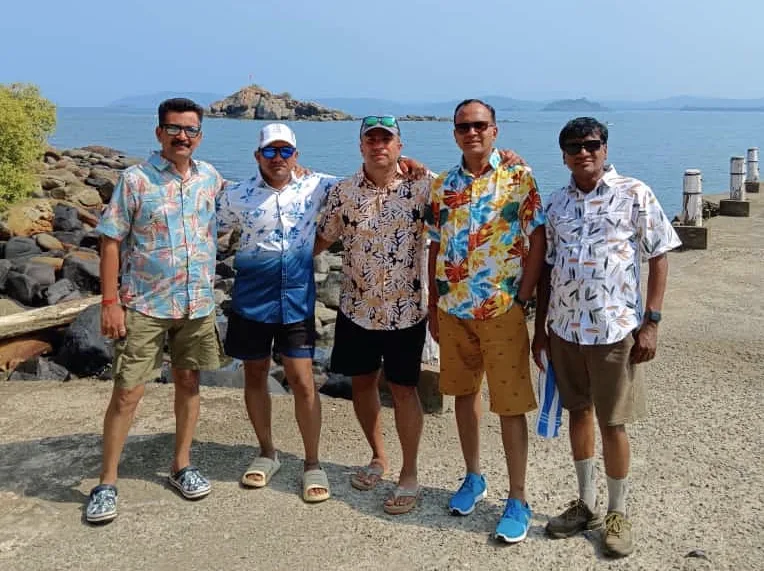
Life, to me, is more than work. It is exploring mentally and physically. I like being surrounded by family and friends. Four friends from my school years are still the closest people in my life, and I will do anything for them.
I think about most things through a painkiller and vitamin lens. Painkillers solve a problem that already hurts. Vitamins are nice to have. I use that frame to prioritize, in work and in life, because life is too short to be hung up on one thing.
On Niranta Life
Niranta is also a physical place. Niranta Life is a space I am building for my family, separate from this blog. The pace of that project has taught me more about patience than any book on the subject. The writing here is one expression of the idea. The space is the other.



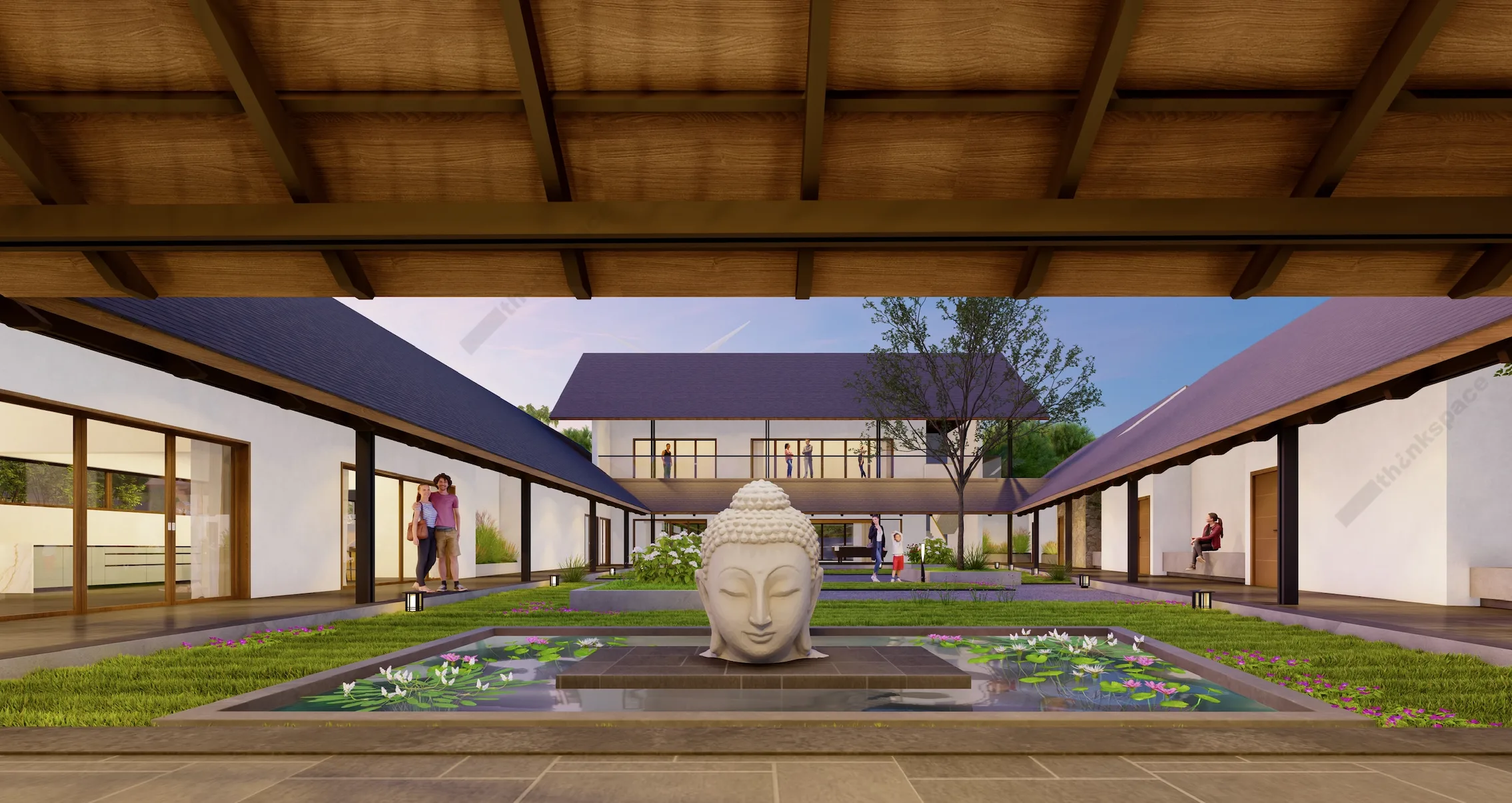
These are the approved architectural designs. The sausage making, the actual building, is in progress.
On Loss and Writing
In January 2025, my brother passed away after a year-long illness. I stopped writing. For months, the cursor blinked on empty pages. Grief has a way of making even the most articulate person go silent, not because there's nothing to say, but because everything you might say feels smaller than the thing you're carrying.
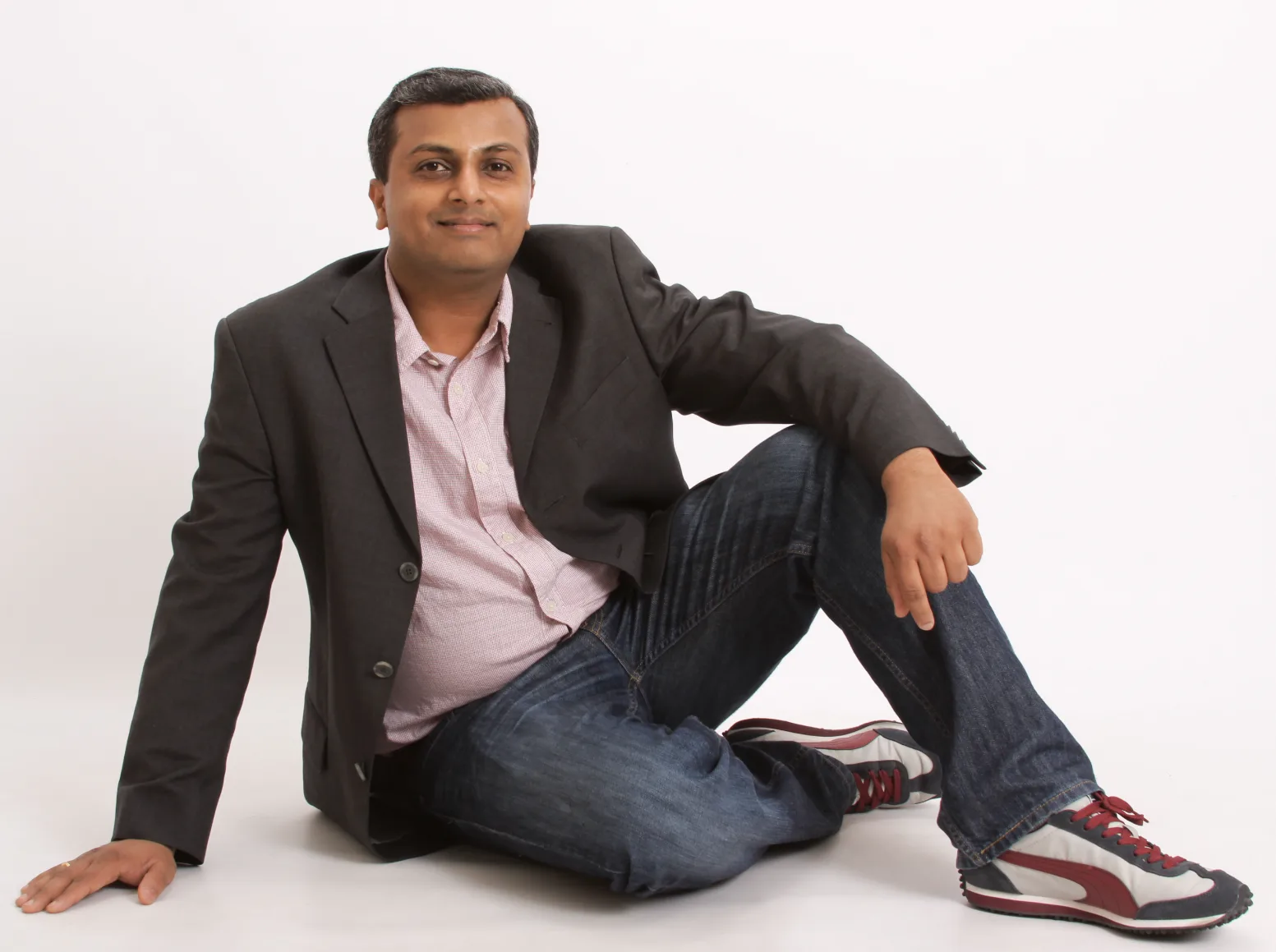
He fought like hell to the end. He was not ready to give in, even when the doctors said there was nothing more they could do.
I came back to writing not because I healed, but because I remembered that writing is how I heal. I still sense him around me every day. These essays are partly for me, and partly for anyone who has ever tried to make sense of something that resists sense-making.
The Other Things
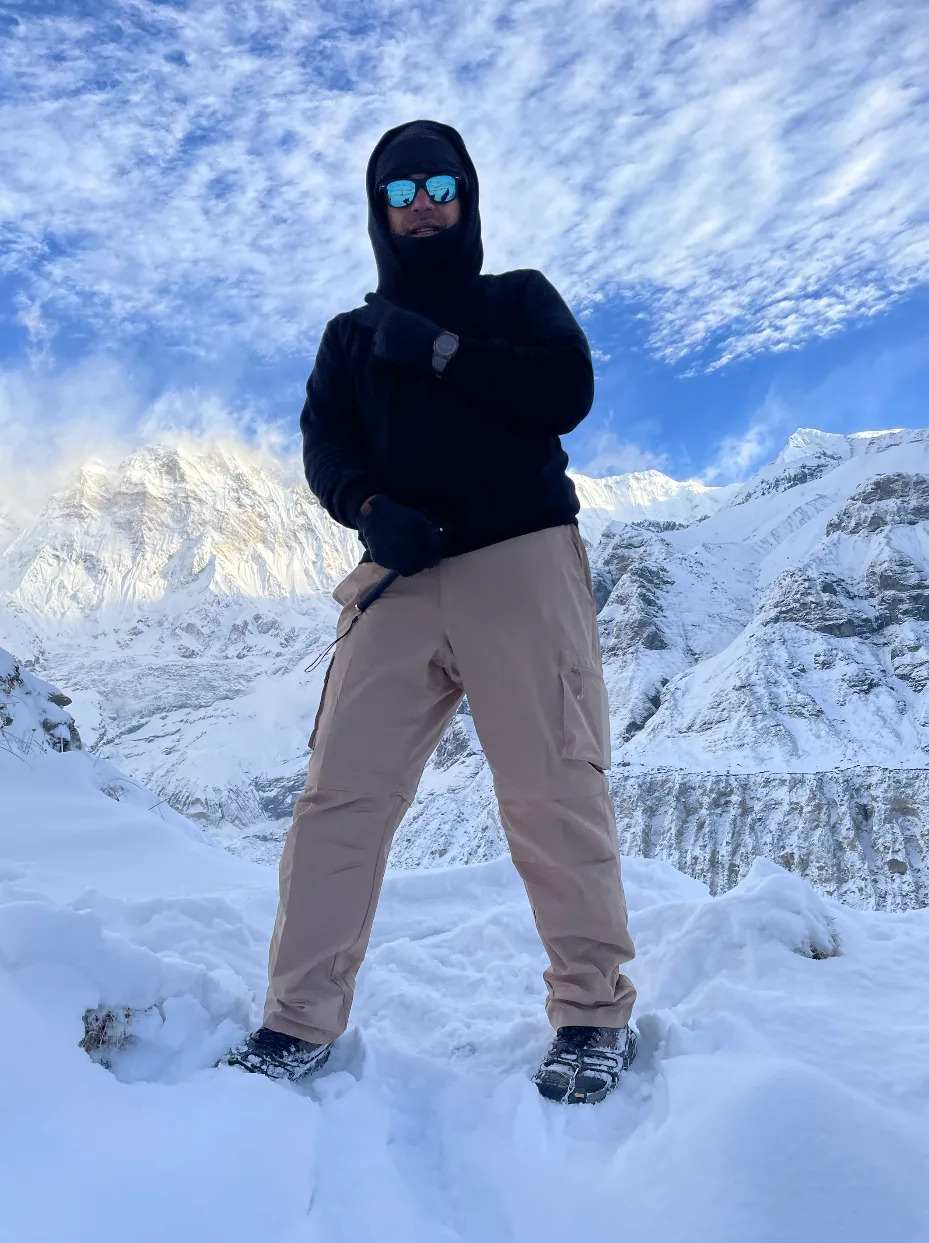
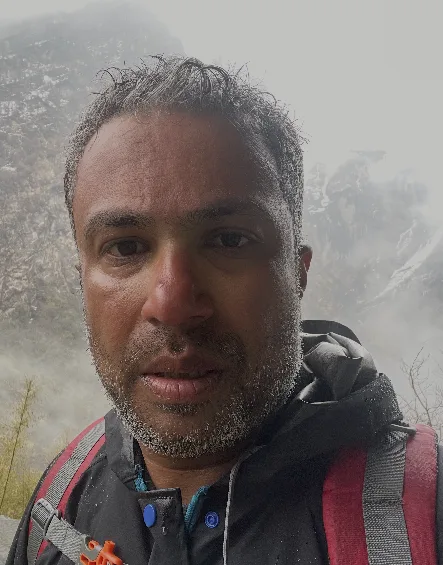
When I'm not writing or building, I'm hiking. Nepal left its mark on me, there's something about moving through difficult terrain, step by step, that resets the way I think about everything else.

If something here resonated, I'd love to hear from you. The best conversations happen when strangers connect over ideas they didn't know they shared.